Breathe Easier at Home with Living Design
Step into a calming, nature-forward approach that puts your well-being first. We explore biophilic home design for daily stress relief, translating research and real-life stories into warm, doable ideas that transform rooms into restorative, nourishing places you look forward to every day.

What Science Says About Nature and the Nervous System

Decades of environmental psychology and building science show that everyday connections to nature ease sympathetic arousal and support recovery. Views of greenery, balanced daylight, fresh air, and organic patterns correlate with lower cortisol, steadier heart rate variability, sharper attention, and kinder moods. Here’s how to translate those findings into practical, gentle choices at home.

Light, Air, and Views: The Everyday Foundations

Comfort begins with what you see and breathe. Thoughtful daylighting, operable windows, and framed vistas relieve visual fatigue and stale air that quietly amplify stress. Balance brightness, encourage cross-ventilation, and borrow outdoor cues, so rooms feel larger, sleep settles faster, and workdays close with a clearer head.

Living Elements: Plants, Soil, and Water

Green companions do more than decorate. Their textures slow the eye, their gentle maintenance invites breathing space, and their presence cues care. Combine resilient species, breathable pots, and simple watering habits, and consider a tiny water feature whose hush masks noise and encourages unhurried, restorative moments near it.

Warm Woods and Honest Finishes

Choose solid or responsibly veneered woods with visible grain; matte oils highlight character without plastic sheen. Let pieces accumulate patina from daily touch. Scratches tell stories, which paradoxically eases stress, because you stop guarding surfaces and start enjoying companionship with materials that age alongside you.

Stone, Clay, and Grounding Textures

Slate trivets, terracotta planters, and river stones underfoot add weight and temperature contrast that centers attention. Texture catches light softly, calming restless eyes. Combine coarse weaves with smooth glazes to create gentle rhythm, so your hands and gaze have comfortable, reassuring places to land during demanding moments.

Color Palettes Inspired by Landscapes

Borrow hues from coastlines, forests, and deserts rather than trend cycles. Soft sages, sand, charcoal, and muted blues set a stable base, then small accents echo blossoms or lichen. Because palettes reference lived places, they comfort instinctively, aiding decompression after long days without shouting for attention.

Layouts that Invite Pause and Presence

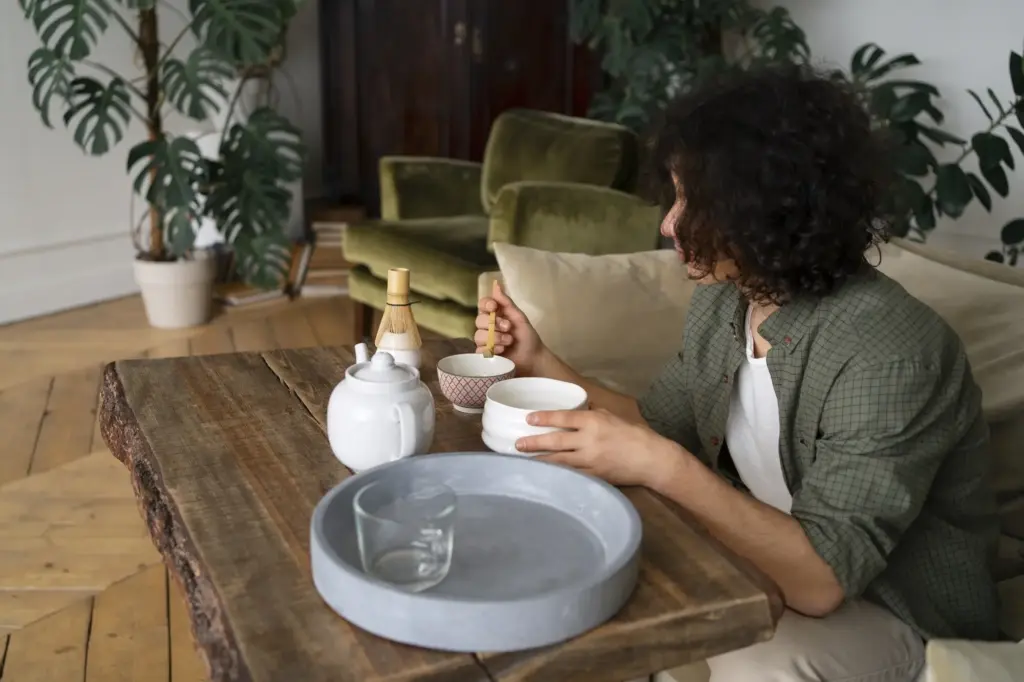
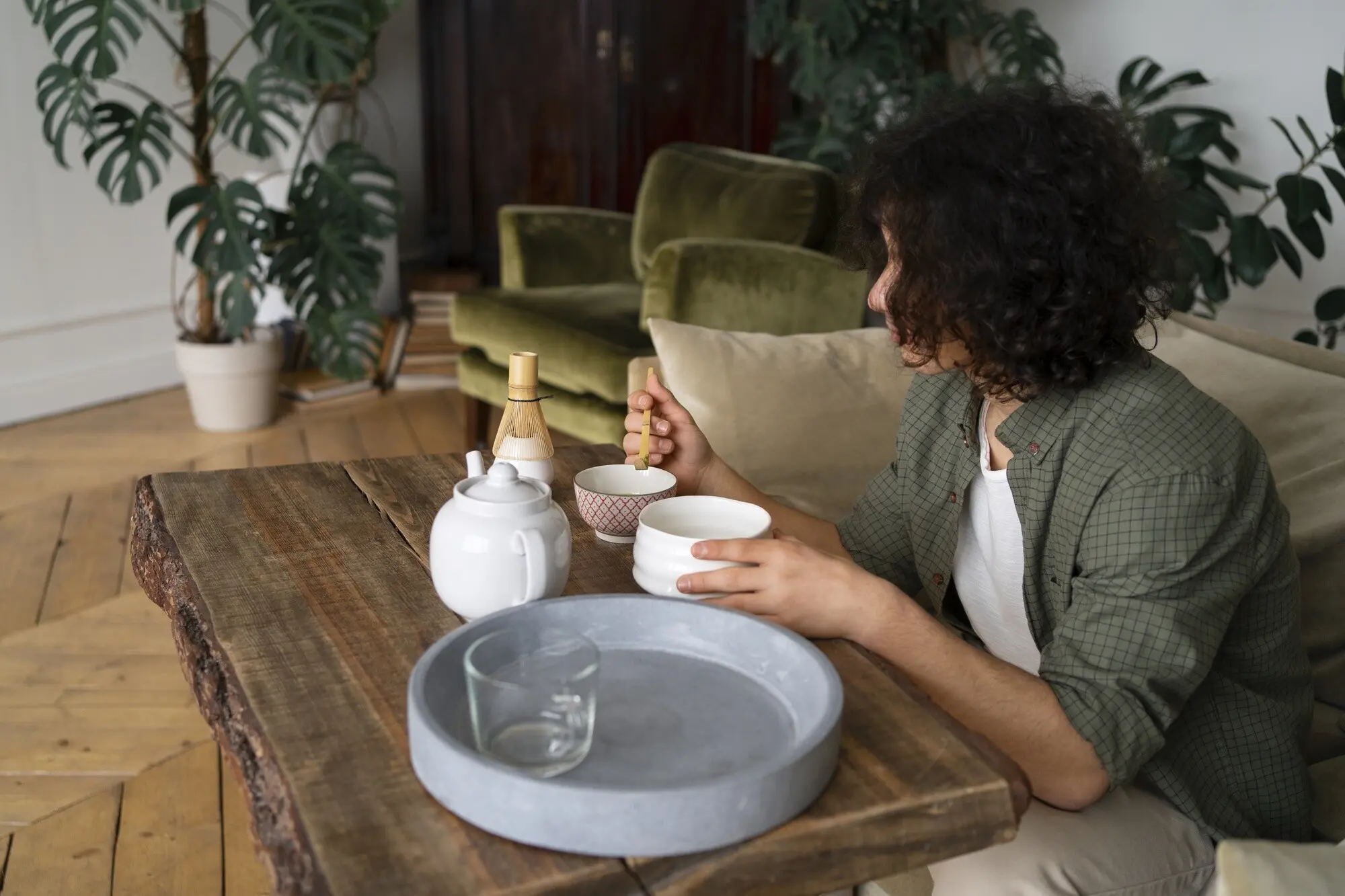
Spatial cues shape feelings before words arrive. Create sightlines to greenery, tuck a cushioned nook where the room narrows, and place a sturdy table by a window for tea or journaling. Clear circulation and gentle thresholds protect these moments, keeping devices and distractions respectfully at bay.

Prospect and Refuge at Home

Balance elevated views with protected corners. A chair with a wall at your back and a view to a doorway calms vigilance, while raised sight over a courtyard or treetops satisfies curiosity. Combine both in living areas to support relaxation without dullness, and quiet focus without isolation.

Thresholds that Reset the Mind

Mark transitions with texture, scent, and light. A wool runner, cedar hook rail, and a dimmer at the entry cue arrival, signaling the body to exhale. Inside, a plant-framed doorway between workspace and lounge resets posture and purpose, reducing the carryover stress that lingers after tasks.

Storage that Protects Calm

Clutter spikes micro-stress. Use closed cabinets for visual rest, open shelves for cherished pieces, and baskets to capture daily inflow. Label lightly, keep pathways clear, and give plants elbow room. When surfaces breathe, so do you, and rituals like tea, stretching, or sketching emerge more naturally.

Daily Routines, Tiny Habits, and Community

Design matters most when it meets your calendar. Pair plant care with morning coffee, stand by a window for calls, stretch beside a sunny wall, and log a quick mood note weekly. Share cuttings, swap tips, and tell us what eased your evenings—your stories grow everyone’s confidence.

Morning Grounding with Light and Leaves

Begin by opening a shade, watering lightly, and noticing one new detail on a leaf. Pair the ritual with deep breaths and a glass of water. These two minutes set tone and tempo, reminding your nervous system that home supports, not competes with, the day.

Evening Wind-Down Rituals

As screens dim, choose a tactile task: mist plants, wipe a sill, arrange stones on a tray, or light a beeswax candle. Keep voices soft and lamps low. The body tracks these steady cues, and bedtime arrives without bargaining or the restless scroll that steals rest.