Designing Everyday Calm
Step into a gentler way of making and living. Today we explore Designing Everyday Calm, blending environmental psychology, thoughtful routines, and human-centered craft to help homes, workplaces, and interfaces breathe. Through practical experiments, grounded research, and stories from real people, you’ll learn how small choices reduce noise, ease decision fatigue, and nurture attention. Join the conversation, try the prompts, and begin shaping steadiness you can actually feel, not just admire.

Quiet Foundations: Principles That Hold Under Pressure
Calm is not the absence of action; it is the presence of intention. By reducing cognitive load, prioritizing only what truly matters, and letting friction exit gracefully, we create experiences that remain steady under stress. Here we translate humane design principles into daily, repeatable moves, from how a hook is placed by the door to how interface spacing suggests effortless reading, so every glance and gesture asks less while granting more room to breathe and belong.

The Reset Surface
Keep one intentional flat surface clear at all times, a reliable place where projects can begin without bargaining for room. It might be a small table by a sunlit window or a kitchen section free of appliances. Protect it with a nightly reset habit. That dependable openness removes friction before it forms, turning starting into something almost automatic, and reminding you, even on hectic days, that spaciousness can be created on purpose.

Biophilic Anchors
Living elements reconnect bodies to rhythms older than urgency. Choose a forgiving plant, a wood grain that begs touch, or a window view curated like a landscape painting. Even a photograph of horizon lines can lower tension by giving the eyes distance. Biophilic anchors are not mere decoration; they are companions that slow pulse and soften posture, nudging us to pause, drink water, and feel the room helping rather than hindering calm.
Soft Technology: Calmer Interfaces and Notifications
Badges trigger unfinished-business anxiety. Start by designating a handful of true priority senders and mute the rest to digestible digests. Replace numerical floods with categorized summaries, encouraging a sense of completion. In product work, ask: must this alert interrupt, or could it politely queue? Write messages as if speaking to a friend stepping out of a meeting—clear, brief, and forgiving—because dignity in microcopy reduces heart rate and improves follow-through without scolding or drama.
Animation should narrate cause and effect, not distract. Use easing that feels physical, durations that mirror human rhythms, and transitions that confirm progress. A card sliding into place implies safekeeping; a gentle fade suggests something is available but not urgent. Avoid jolting bounces and novelty spins that steal attention from intent. Calibrated motion becomes a soft teacher, reducing uncertainty. When uncertainty falls, tension follows, and suddenly clicking feels like breathing rather than bracing.
Evening screens can invite calm with adjusted luminance, warmer color temperatures, and typography sized for distance rather than squinting. Offer a high-legibility mode with increased line height and modest line length, tuned for tired eyes. Consider timed dimming aligned to local sunset and a one-tap wind-down setting for late browsing. When reading requires less effort, content regains intimacy, and your device becomes a companion that understands circadian needs rather than a restless glare demanding attention.
Light, Sound, and Scent: The Invisible Trio
The senses negotiate our stress load before thoughts catch up. Layered lighting guides energy through dayparts; acoustic treatment removes the hiss of distraction; subtle scent scripts a room’s mood without shouting. Consider a kitchen that brightens task zones during breakfast, then drifts warmer by dinner. A rug and bookshelves hush echo, while a hint of citrus marks a creative sprint. These invisible cues collaborate to lower guard and restore steady focus without effort.





Color, Material, Finish: The Tactile Language
Our hands and eyes converse with surfaces constantly. Muted palettes lower visual volume; a touch of contrast sharpens orientation; honest materials age with dignity, inviting care rather than panic. Environmental psychology suggests softer hues and natural textures reduce arousal levels and mental fatigue. Matte finishes diffuse glare in kitchens and studios, while rounded edges reduce the perception of risk. Together, these choices communicate safety and poise, turning ordinary objects into quiet allies throughout daily routines.
Moments Between: Transitions That Reduce Friction
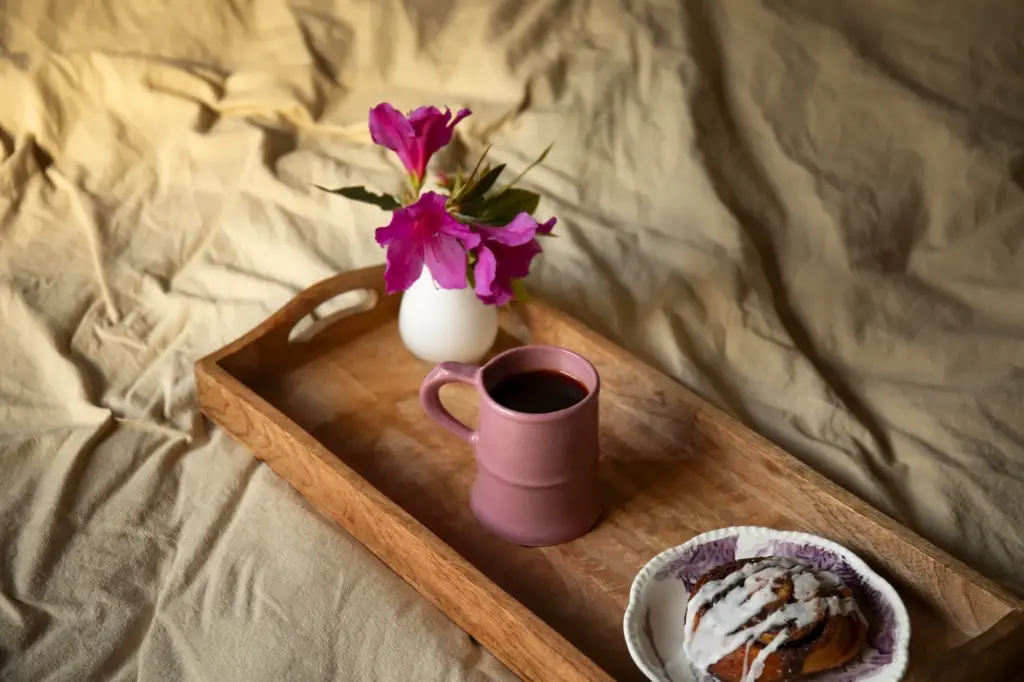
The spaces between actions carry surprising weight. A considerate loading state protects patience; a doorway with a clear line of sight calms approach; a closing ritual frees tomorrow from today’s residue. Inexperience often overlooks these hinges, but experience places them center stage. Thoughtful transitions teach bodies to trust what happens next, smoothing energy without suppressing momentum. When the middle moments are kind, beginnings feel easier, and endings let go cleanly, restoring confidence and continuity.
Waiting can nourish or needle. Replace vague spinners with meaningful feedback, gentle progress bars, and options to continue elsewhere. Offer micro-tips or a single, useful breath cue rather than noisy promotions. In physical life, a tray near the stove pre-stages ingredients, so prep glides into cooking. Respect for waiting teaches trust, and trust reduces stress, transforming idle gaps into supportive pauses that hold attention without demanding it, almost like a patient friend beside you.
Thresholds are choice amplifiers. Clear sightlines shorten hesitation; good lighting and uncluttered floors remove tiny risks that accumulate into reluctance. Label storage where hands naturally reach, not where labels look clever. In apps, keep next steps proximate to current context, limiting leaps. These micro-engineerings shrink decision fatigue and reduce the urge to abandon halfway. When thresholds feel obvious and safe, people carry ideas across them more often, turning intention into completion with less strain.
Start Now: Five-Minute Experiments and Community
Momentum grows from tiny, visible wins. Try one micro-change, note the feeling, share your findings, and iterate with us. We will offer prompts, you bring curiosity. Post before-and-after photos, note pulse shifts, and celebrate reclaimed minutes. Invite a friend or teammate to join and compare outcomes. Collective learning compounds courage, turning isolated tweaks into a shared practice. Subscribe, comment with your experiments, and let small, steady steps begin reshaping the shape of your days.

One Drawer, One Screen
Pick a single drawer and a single homescreen. Remove everything, then return only what lowers friction for tomorrow’s self. Set one focal app, one calming photo, and one widget that prevents a scramble. In the drawer, containers clarify categories without hiding reality. Measure success by breath, not aesthetics: does reaching feel smoother? Report back with what stayed, what left, and what tiny permission you felt. Repeat weekly until ease becomes a default posture.

The Two-Minute Wind-Down
Before bed or after work, run a two-minute sequence: dim a light, clear the reset surface, fill your water, choose tomorrow’s first step, and silence nonessential pings. Set a short chime to mark completion. This miniature landing pad reassures morning-you that the runway is open. Over time, two minutes teach muscles a pattern of release. Share your exact sequence with the community, borrow theirs, and refine until this pocket ritual feels like a soft exhale.