Carve Out Quiet: Small Corners, Big Calm
Join us as we explore Ritual Nooks: Micro-Spaces that Support Mindfulness at Home, celebrating intimate corners that slow time and steady breath. You’ll learn how tiny, intentional setups transform routines into anchors, nurture presence amid noise, and invite daily calm without renovating anything.

Finding Space You Didn't Know You Had

Before buying anything, map overlooked zones: windowsills, stair landings, bedside edges, even the inside of a wardrobe door. Notice light patterns across the day, foot traffic, and reachability. A ritual corner thrives where friction is minimal, distractions are gentle, and your body naturally pauses, inviting breath rather than busyness.

Corners and Thresholds

The place where two walls meet softens attention, and thresholds naturally suggest transitions. Slide in a slim cushion, a small plant, and a low tray for objects that matter. I watched a client reclaim a hallway angle; now three mindful breaths there reset commutes into calmer evenings.

Vertical Surfaces and Light

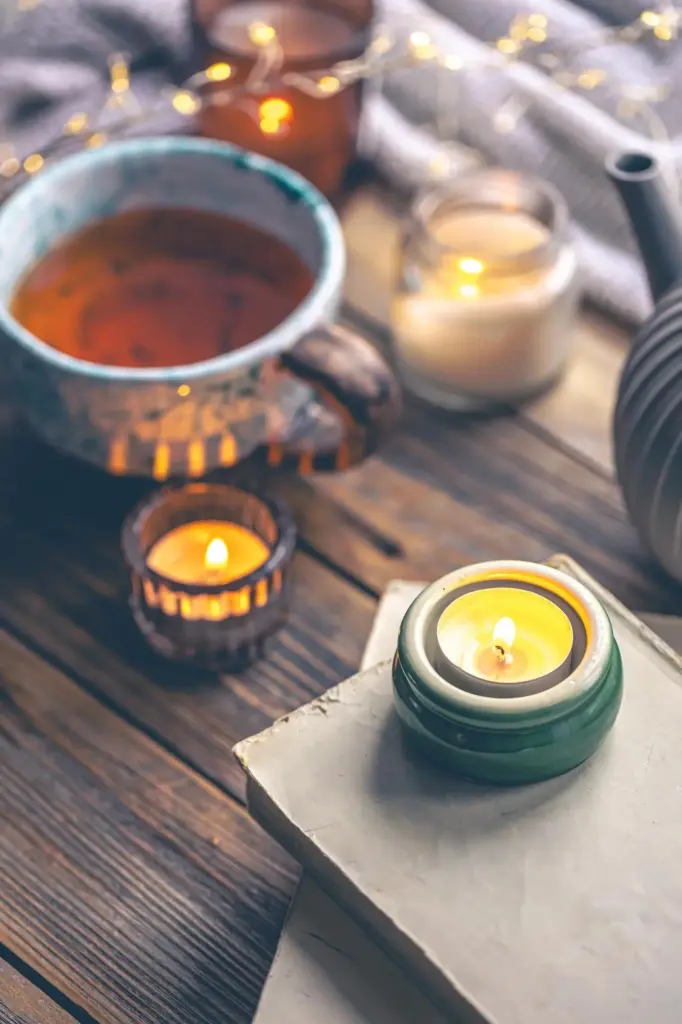
Shelves, ledges, and window frames provide altitude without cluttering floors. Position a candle where sunrise finds it, or a small mirror to bounce dusk. Pin a gentle prompt at eye level. When light participates, your micro-practice feels invited rather than forced, and consistency becomes less effortful.

Portable Sanctuaries

Trays, baskets, and foldable mats let your quiet move with you. Collect only enough items to signal intention: one notebook, one smooth stone, one scent. When dinner guests arrive, lift the tray away. Portability protects peace from clutter creep and removes excuses about space scarcity.

Design Cues That Calm the Nervous System

Design that supports stillness begins with senses. Favor matte textures, gently rounded forms, and breathable materials. Limit visual noise and color variety so the eyes rest. Neuroscience shows predictable patterns reduce cognitive load; your nook should whisper safety, signaling it’s okay to pause and feel.

01

Color and Material Choices

Soft neutrals, desaturated greens, and earthy blues ease arousal, while natural fibers temper temperature and touch. Choose two tones, repeat them faithfully, and let wood or linen provide grounding. Over time, this palette becomes a ritual cue; your mind recognizes arrival the moment colors appear.

02

Soundscapes and Silence

Identify noises you cannot control, then soften them with fabric, plants, or white noise. A small water feature masks traffic surprisingly well. Silence is also designed: add door sweeps, felt pads, or a soft rug. When your ears relax, breath deepens naturally and attention steadies.

03

Scent, Breath, and Memory

Smell ties directly to memory, so choose one aroma for presence only. A single drop of lavender, cedar, or tulsi signals transition faster than willpower. Breathe with it for sixty seconds. Later, that same scent can summon calm on trains, offices, or crowded kitchens.

Rituals that Fit in Five Minutes

Consistency beats duration. Build small sequences that begin and end in the same place, using one tactile anchor like a bead, mug, or stone. Five minutes practiced daily rewires attention loops; these compact patterns survive busy seasons and still nourish deeper practices later.

Stories from Real Homes

Practical inspiration grows from lived rooms, not catalogs. Across apartments and houses, people repurpose inches into sanctuaries that invite shorter, kinder breaths. These vignettes show how constraints spark creativity, how rituals withstand roommates or children, and why small daily returns compound into meaningful steadiness.

Window Ledge in a Studio

A pianist with twenty-two square meters taped a linen runner on a sunny sill, added a thimble of incense, and faced the street trees. Neighbors still pass by, yet her morning posture softens there. She claims, with a smile, that sunlight performs better than caffeine.

Under-Stairs Refuge

Beneath creaking steps, a teacher slid a narrow bench and battery lantern, storing sketchbook and colored pencils in a tin. During grading breaks, she hides there for four minutes, drawing leaf veins. The intimacy of low ceiling and scribbled lines resets her patience for students.

Sustaining the Practice

Small corners help only if you visit them. Attach your ritual to existing anchors like meals or commutes. Keep tools visible yet orderly. When setbacks happen, reduce scope, not frequency. Long-term steadiness emerges from forgiving adjustments that protect identity more than performance metrics.

Engage, Share, and Grow Together

Your corner can inspire others. Share a photo, a short story, or a hard-won tip, and learn from fellow seekers shaping quiet in tight quarters. Join our community updates for gentle experiments, printable prompts, and seasonally refreshed practices that keep curiosity brightly alive.